Las Vegas Hard Water & Hair Care Guide
If your blonde turns brassy within weeks, your brunette looks muddy, or your hair feels rough no matter what you use, the cause is usually the same: Las Vegas hard water. This guide covers what is in the water, what it does to colored hair, and how we fix it, along with the products we use to keep every client’s hair healthy, at no extra charge.
How Hard Is Las Vegas Water?
Las Vegas draws its water from Lake Mead, fed by the Colorado River, and it carries a heavy load of dissolved minerals. The Las Vegas Valley Water District’s own 2026 figures:
- 280 ppmtotal hardness (16 grains per gallon)
- 591 ppmtotal dissolved solids
- 75 ppmcalcium, plus 24 ppm magnesium
Water is generally classed as “very hard” above 180 ppm, and Las Vegas is well past that line; it is regularly ranked among the hardest water in the nation. The often-quoted figure of about 550 ppm refers to the total dissolved minerals. The water is also disinfected with chlorine (an average free chlorine residual of 0.99 ppm), which is good for drinking but adds to color fade.
What Hard Water Does to Colored Hair
The high mineral concentration changes the color of your hair and extensions dramatically: blonde highlights turn brassy, and brunette and red colors become muddy, dull and less vibrant.
- Blonde turns brassy. Lightened hair is porous and grabs onto calcium and magnesium. The film dulls your toner and lets warm yellow and orange undertones show through. Why blonde turns brassy explains it in detail.
- Brunettes and reds go muddy. The mineral layer scatters light, so rich shades look flat, dull and less vibrant.
- New color takes unevenly. Minerals sitting in the cuticle block color and toner, which can leave patchy results; that’s why we remove residue before we color.
- Hair feels rough and tangles. Shampoo doesn’t lather well, and hair, especially extensions, feels coated, dry and prone to knots.
Is It the Water? Common Signs
| What you notice | Why it happens | What helps |
|---|---|---|
| Blonde turns yellow or orange within weeks | Mineral build-up dulls the toner | Metal Detox or Malibu in the salon, then re-tone |
| Brunette or red looks flat and muddy | A mineral film on the cuticle | Residue removal, then a Dia gloss |
| Shampoo barely lathers | Calcium and magnesium in the water | A water softener at home |
| Hair feels coated, rough or tangly | Build-up layered over many washes | A clarifying shampoo and a filtered shower head |
| New color comes out patchy | Minerals block color from taking evenly | Remove residue before every color service |
Metal Detox for Hard Water
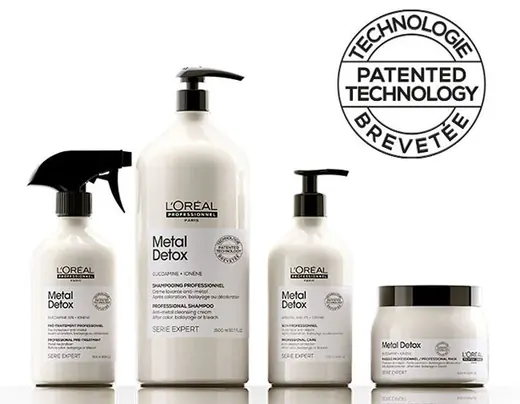
When highlights and color are altered by hard water residue, we remove it with a 3-step Metal Detox system. First a pre-treatment mist opens the hair cuticles before the service; after the color is rinsed, Metal Detox shampoo gently removes the residue; and a care conditioner or mask finishes the service, sealing the cuticles so residue can’t get back into the cuticle layers. More in what is a Metal Detox treatment?
Malibu Vegan Treatments
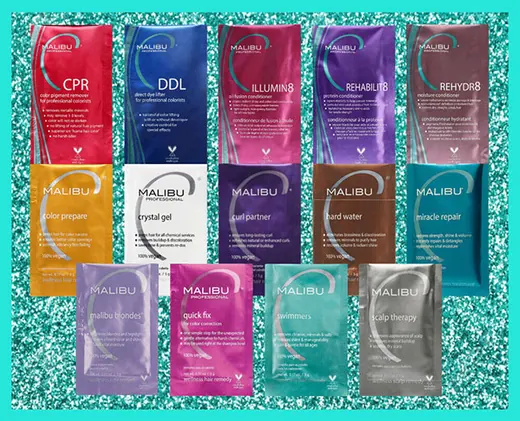
Malibu crystals can also remove hard water residue. Malibu is a vegan product, completely harmless to the hair, with a wide range for different purposes, including color removing and color correction. Both can be done damage-free because no harsh chemicals are involved.
Olaplex Bond Repair
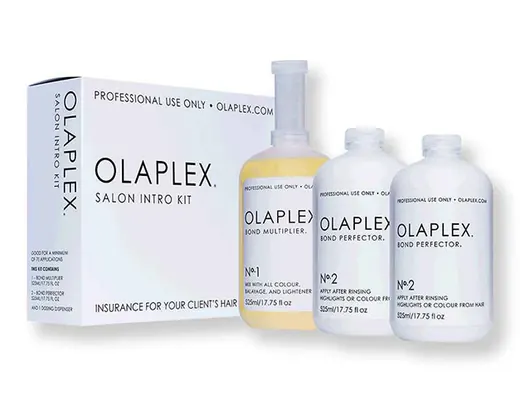
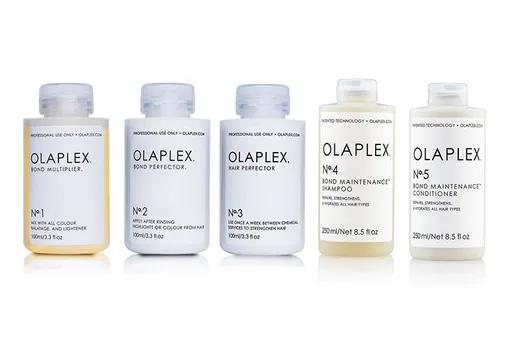
We add Olaplex Bond Multiplier (No.1) to lighteners (and some colors) to repair and strengthen damaged hair. When needed, it is followed by Bond Perfector (No.2), then Olaplex Shampoo & Conditioner (No.4 & No.5). Together these products repair, strengthen and revive hair while it is being processed.
Protecting Your Color at Home
- Install a water softener. It is the first step: it takes out the calcium and magnesium that cause hardness, for the whole house.
- Add a filtered shower head made for hard water. Together these two steps bring the residue down to around 50 ppm. You will notice the difference in how your body wash and shampoo lather, and your color will keep its hue.
- Clarify, then condition. A clarifying shampoo lifts build-up between visits; follow with conditioner, since clarifying also strips moisture. Both are part of our new-client product package.
- Re-tone when brass appears. A violet-toned shampoo can soften yellow between appointments, but a salon gloss resets the tone properly.
- Protect it at the pool. Pool water carries more chlorine than your tap; see protecting hair color from pool chlorine.
Visiting Las Vegas? Your Hotel Water Is Hard Too
About a third of our clients live out of state. If you are in town for a few days, the water in your hotel shower comes from the same supply, so new blonde can start to dull before you fly home. Ask us about residue removal at your appointment.
More From Our Hair Care Guides
- Why Blonde Turns Brassy in Las VegasThe chemistry behind yellow and orange blonde, and how to stop it.
- Protecting Hair Color From Pool ChlorinePool days without green or faded color.
- What Is a Metal Detox Treatment?What it removes, the 3 steps, and who needs it.
Planning lighter color? See highlights and babylights, balayage or blonde hair color.
Products We Use
L’Oréal Professionnel: Premium Color Line
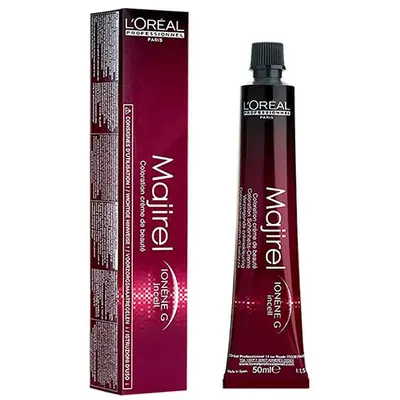 Majirel permanent cream hair color: the most widely used color line internationally, premium quality, long lasting, with full grey coverage.
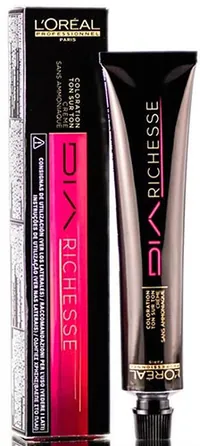 Dia Richesse demi-permanent cream color.
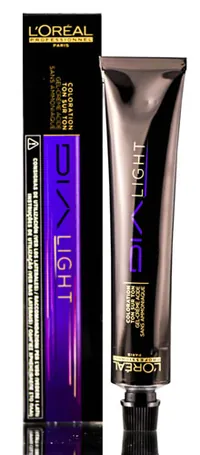 Dia Light demi-permanent cream color.
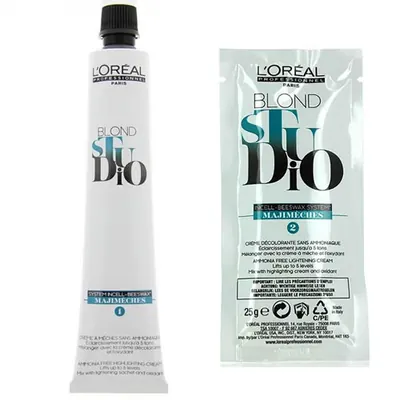 Studio Blond ammonia-free lightener.
- Metal Detox line.
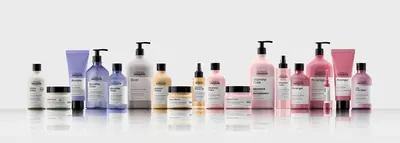 Serie Expert line: premium hair care products.
Olaplex and Malibu
- Olaplex Essentials.
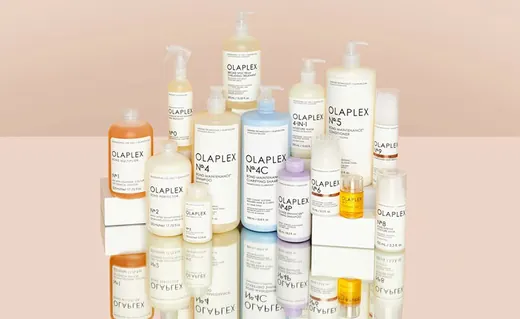 Olaplex full product line.
- Malibu vegan product line.
The Effect of Hot Tools on Hair
Hot tools (flat and curling irons) are very damaging to both your hair and extensions. The ignition temperature of human hair is 451 °F, while hot tools can reach 450 °F, which puts hair under tremendous strain, especially if it has been chemically treated.
The ideal ways to dry and style are to rough-dry with a blow dryer (without tools), or to air-dry. Use a ceramic round brush to smooth and style the top of your hair. If you want more curl than your extensions’ natural wave, use hot rollers, which are far safer than hot tools. The Dyson Airwrap is probably the safest styler on the market: with its ionic and vortex effects, it dries and styles both your hair and extensions without pulling or damage.
Hard Water & Hair FAQ
Does Las Vegas hard water damage hair?
It doesn’t burn or break hair the way heat or harsh chemicals can, but the minerals build up on it. Over time that film leaves hair dull, rough and tangly, makes color fade or turn brassy, and stops new color and toner from taking evenly.
How hard is the water in Las Vegas?
The Las Vegas Valley Water District’s 2026 Water Quality Summary lists an average total hardness of 280 parts per million (16 grains per gallon) and 591 ppm of total dissolved solids. Anything over 180 ppm is generally classed as very hard.
Does a filtered shower head help with hard water?
Yes, best as the second step. A water softener treats the water for the whole house; a filtered shower head made for hard water adds another layer of filtering where you wash your hair. Together they make a noticeable difference in how shampoo lathers and how long your color stays true.
Does hard water affect hair extensions?
Yes. Extension hair can’t replace its natural oils, so mineral build-up makes it dull, brassy and prone to tangling. The same residue treatments and at-home steps protect your extensions too.
Source: Las Vegas Valley Water District, 2026 Water Quality Summary (average values).
Book your free color consultation
Send us a photo of your hair, or call. Open 7 days, 10am – 7pm.